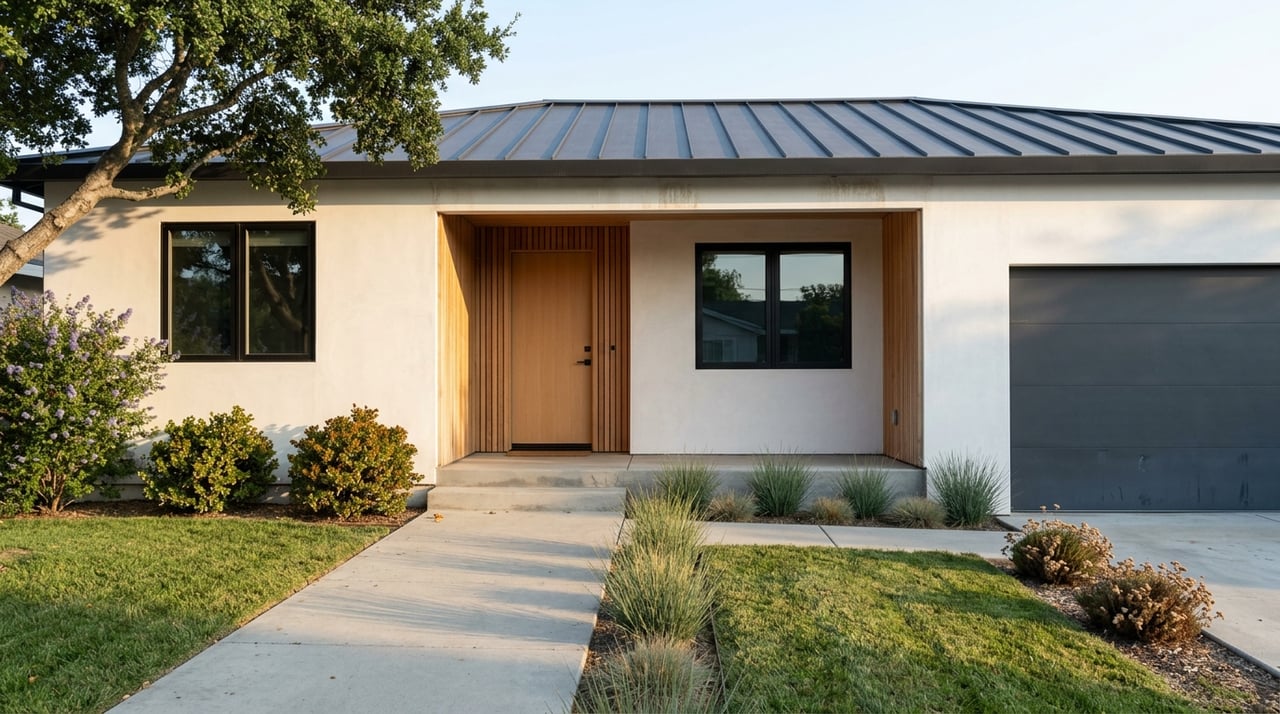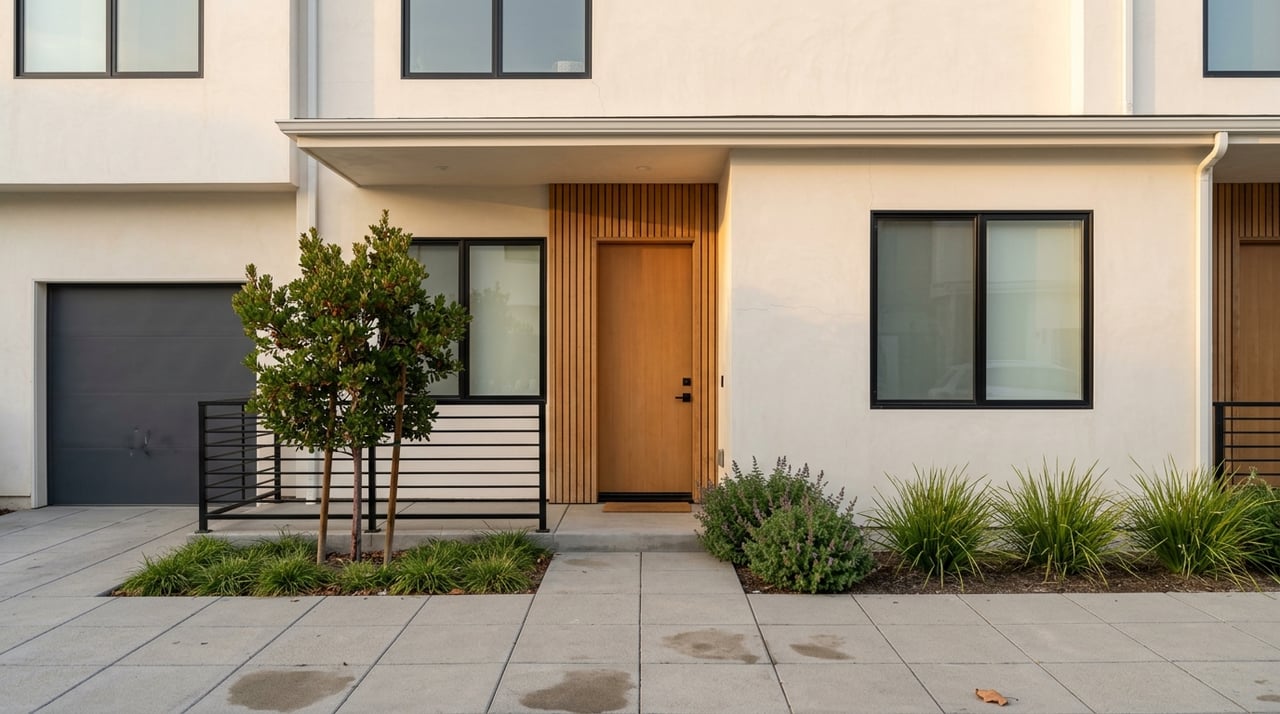
Wondering whether a condo or townhome is the right way to buy into San Rafael? You are not alone. For many buyers, attached living offers a more manageable entry point and a lower-maintenance lifestyle, but it also comes with HOA rules, shared costs, parking questions, and a legal structure that matters more than most people expect. If you are comparing options in San Rafael, this guide will help you look past the listing photos and focus on what really affects your budget, flexibility, and daily life. Let’s dive in.
Why San Rafael Buyers Consider Condos and Townhomes
San Rafael remains a competitive market. In spring 2026, the citywide median sale price was $1,284,231, and homes were selling in about 24 days on average. That pace can push buyers to think carefully about which property type gives them the best fit for both lifestyle and budget.
Current condo examples in San Rafael range from about $289,000 to $1,195,000, while townhome examples range from about $499,500 to $1,295,000. That spread creates options, but it also means you need to compare each property on more than price alone. Layout, parking, HOA structure, and monthly costs can vary widely from one community to the next.
Active condo listings appear across areas such as Sun Valley, San Pedro Peninsula, Terra Linda, West San Rafael, and Marinwood. As you search, you may notice meaningful differences in building age, amenities, and parking norms depending on the part of the city. A unit that looks similar online can function very differently once you dig into the details.
Condo vs Townhome in San Rafael
Legal structure comes first
One of the biggest points of confusion is that a condo or townhome description does not always tell you the legal structure. In California, common interest developments can include detached homes, townhouses, garden-style units, and high-rises. The California Department of Real Estate makes clear that these categories are defined by law, not just by appearance.
In simple terms, a condo owner usually owns a separate unit plus an interest in common areas. In a planned development, an owner usually owns the home on a separate lot plus common-area property or use rights. That means a townhouse can legally be either a condo or a planned development.
This matters because ownership structure affects maintenance responsibility, insurance questions, owner control, and HOA authority. Before you fall in love with the floor plan, make sure you understand exactly what you are buying.
HOA membership is automatic
When you buy in a common interest development, you automatically become a member of the homeowners association. That is not optional. The association’s governing documents, especially the CC&Rs, set the rules for common-area responsibilities, assessments, insurance requirements, and architectural controls.
For buyers, this is where due diligence becomes essential. California also notes that no state or local agency directly regulates associations or their members. That means you need to review the documents carefully and understand how the community operates before you close.
What San Rafael Listings Often Offer
San Rafael condo and townhome listings often advertise features that appeal to buyers who want convenience and lower-maintenance living. You may see single-level homes, first-floor residences, private patios, pools, tennis courts, guest parking, and garage parking. Those features can improve day-to-day comfort, but they should be weighed alongside HOA costs and restrictions.
Layouts also vary quite a bit. Current condo listings include one-bedroom, one-bath homes around 646 to 772 square feet, two-bedroom, two-bath homes around 984 to 1,333 square feet, and three-bedroom, three-bath homes around 1,534 square feet. Townhome examples are often larger, with listings around 1,516 to 2,100 square feet and features such as two-car garages.
If you want less stairs, a first-floor or single-level condo may be worth prioritizing. If you need more space, storage, or direct-access parking, a townhome may line up better with your long-term needs. The right choice usually comes down to how you actually live, not just the headline price.
Parking Matters More Than You Think
San Rafael parking rules vary
Parking is a real local issue in San Rafael, especially for attached housing. The city’s multifamily parking standards vary by district and unit size. Based on the city brochure tied to Municipal Code 14.18.040, downtown studios and one-bedroom units can require one space, while two-bedroom units outside downtown can require 1.5 to 2 spaces depending on size. Guest parking rules can also vary.
That is very different from San Rafael’s single-family zoning standard, which requires two covered parking spaces for a primary single-family residence. If you are moving from a house or expect regular visitors, that difference can affect daily convenience more than you might expect.
Street parking is not always a backup plan
Some buyers assume they can make up for limited assigned parking with street parking. In parts of San Rafael, that may not be a safe assumption. The city has said the East San Rafael residential permit effort is designed to rebalance where residents park, and the safe-parking or parking-box program uses marked curb space on narrow or winding streets to preserve emergency access.
In practical terms, if a property only works because you hope to use nearby street parking, look harder. You will want to understand guest parking, permit rules, and whether the surrounding streets have active controls before you write an offer.
HOA Due Diligence: What to Review
California requires the seller to provide governing documents before transfer, including the CC&Rs and the most recent annual budget report. That budget report must include a pro forma operating budget and a reserve summary, and the full reserve plan must be available on request. These documents tell you a lot about the financial health of the community.
HOAs must also conduct a reserve-study visual inspection of major components at least once every three years, with annual board review of the study. For you as a buyer, reserves are a key signal. They help show whether the association is planning ahead for roofs, exterior surfaces, paving, and other long-term costs.
Assessments are intended to cover both daily operations and long-term reserves. If regular assessments are not enough, an HOA may levy special assessments for major repairs, replacements, or unexpected expenses. Delinquent assessments can also become a recorded lien, which adds another reason to review the association’s records carefully.
Key questions to ask before you offer
- Is the property legally a condo or a planned development?
- What do the monthly dues cover?
- Are reserves adequately funded?
- When was the last reserve study?
- Are any major repair projects coming up?
- Is there a history of special assessments?
- What insurance deductibles and coverage limits apply?
- What do the CC&Rs say about alterations, storage, and use restrictions?
- How much guest parking is available?
- Are there street-parking controls nearby?
These questions can help you compare two similar-looking homes that may have very different long-term costs and limitations.
Red Flags to Watch in San Rafael Communities
The biggest red flags usually show up in the documents, not in the photos. Thin reserves can signal that the HOA is underprepared for future maintenance. A recent or likely special assessment may point to budget strain or deferred repairs.
Deferred maintenance on common components is another warning sign. If a community has not kept up with major systems or shared areas, owners may end up paying for that later. You should also be cautious about any parking setup that depends heavily on street parking in an area with active parking controls.
None of these issues automatically kill a deal. But they do affect value, risk, and monthly carrying costs, so they deserve a clear-eyed review before you move forward.
How to Choose the Right Fit
If you are deciding between a condo, a townhome, and a single-family home in San Rafael, start with your daily routine. Think about how much space you need, whether stairs work for you, how many cars you have, and how comfortable you are with HOA rules. Be honest about what would feel easy six months after move-in, not just exciting on showing day.
Then look at the ownership structure and community finances with the same attention you give the kitchen or patio. In San Rafael, two homes with similar square footage can offer very different experiences depending on parking, reserves, guest access, and use restrictions. That is why careful review up front can save you from expensive surprises later.
If you are relocating to Marin or trying to buy in a competitive environment, it helps to have a calm, detail-focused process. A strong buying strategy is not just about getting your offer accepted. It is also about making sure the property you win is one you will still feel good about after the paperwork is signed.
If you want help evaluating San Rafael condos and townhomes with a practical, research-driven lens, Julie Upton can help you compare options, review the details that matter, and move forward with clarity.
FAQs
What should you review before buying a condo in San Rafael?
- You should confirm the legal structure, review the CC&Rs, check the HOA budget and reserve summary, ask about special assessments, and verify parking rules and guest parking availability.
How is a townhome different from a condo in San Rafael?
- A townhome describes how a home may look, but the legal structure can still be either a condo or a planned development, which affects ownership rights, maintenance, and HOA responsibilities.
Why is HOA reserve funding important for San Rafael buyers?
- Reserve funding helps show whether the HOA is planning for long-term repairs and replacements, which can reduce the chance of unexpected special assessments.
How much do condos and townhomes cost in San Rafael?
- Current examples show condos ranging from about $289,000 to $1,195,000 and townhomes ranging from about $499,500 to $1,295,000, depending on size, location, and features.
Why should San Rafael buyers pay close attention to parking?
- Parking standards vary by district and unit size, guest parking rules differ by project, and some areas have street-parking controls that can make limited assigned parking more difficult to manage.