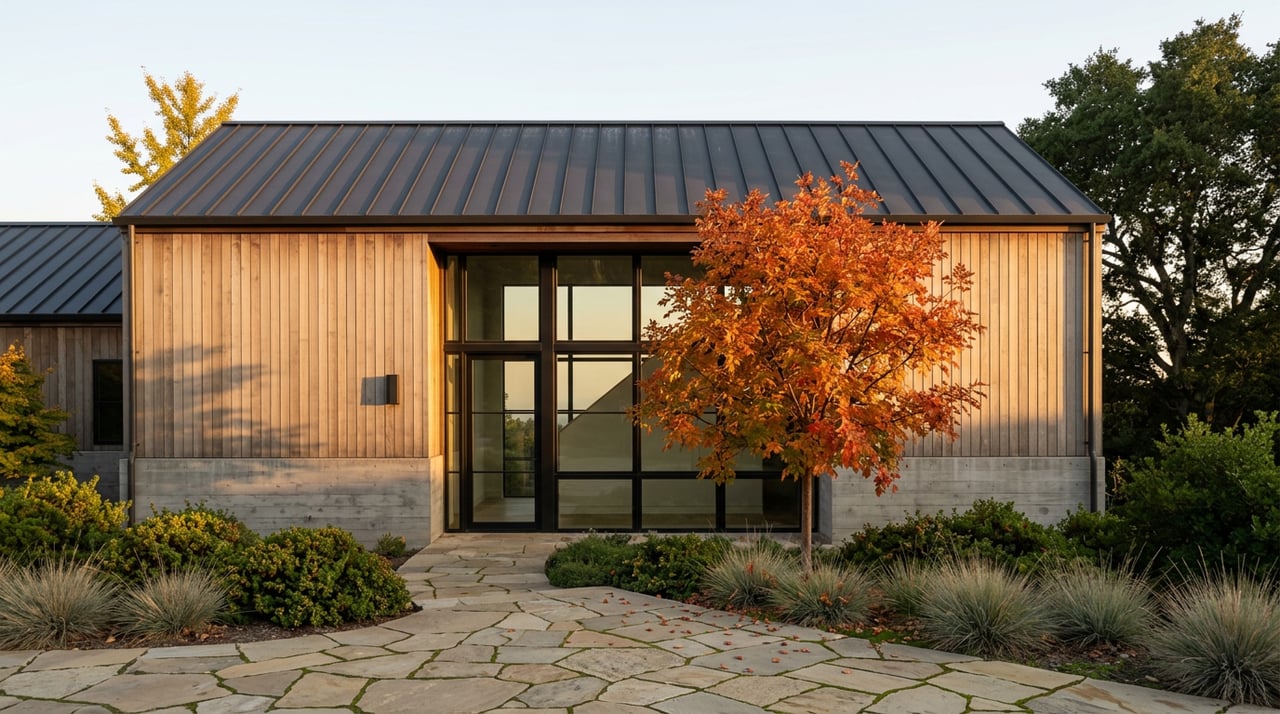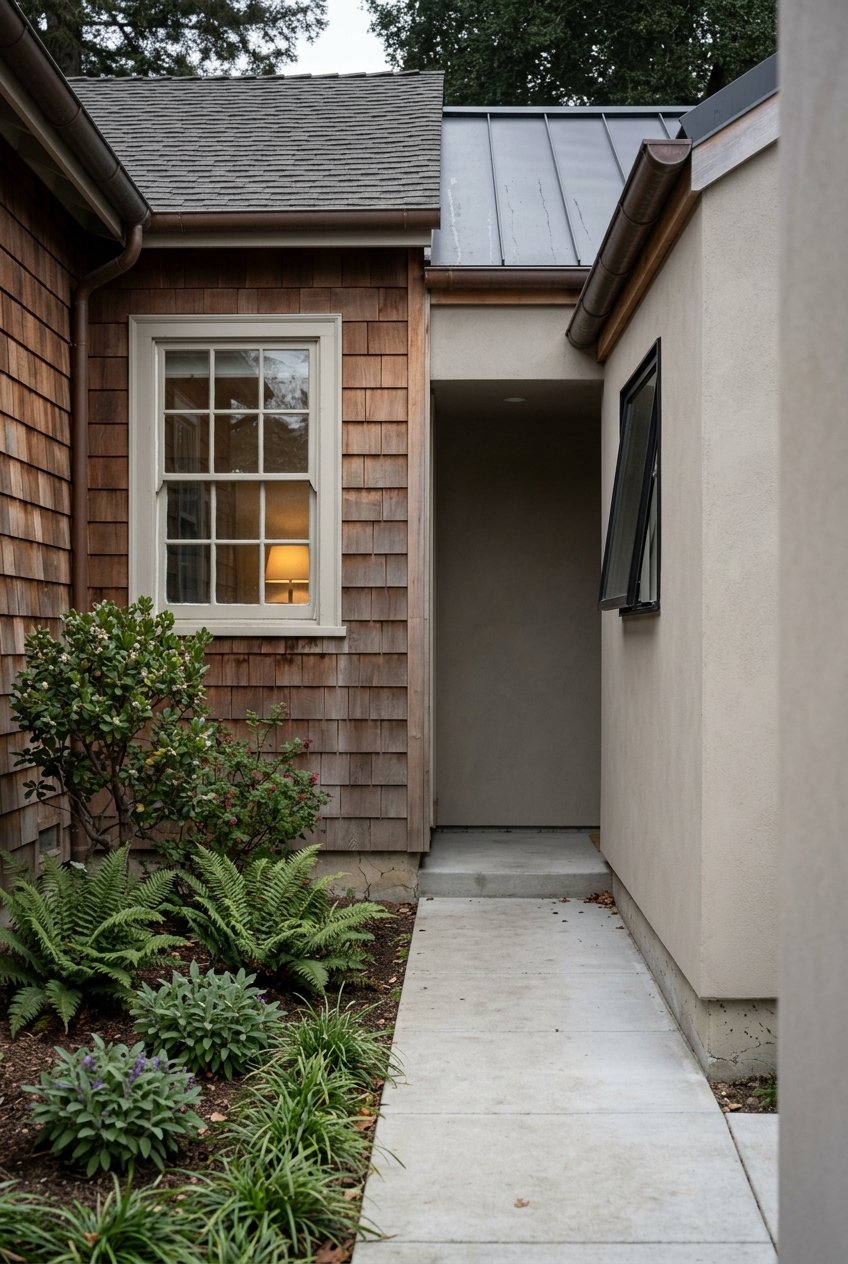
If you are weighing an older home against a newer one in San Rafael, you are not alone. It is a common question, especially in a city where housing stock spans historic properties, postwar homes, mid-century neighborhoods, and more recent rebuilds. The good news is that age alone does not tell you whether a home is the right fit. What matters is how the home has been maintained, updated, and documented. Let’s dive in.
San Rafael homes are often older than buyers expect
In San Rafael, the housing conversation is not usually about brand-new construction versus everything else. According to the city’s 2023 Housing Element, about 43% of homes were built in the 1950s and 1960s, nearly 30% in the 1970s and 1980s, 15% before 1950, and only 13% after 1980. The same report notes that detached single-family homes are the predominant housing type in the city. You can review those details in the City of San Rafael Housing Element.
That age mix shapes what you are likely to see on the market. In practical terms, many buyers are comparing pre-war homes, postwar properties, and later infill or rebuilt homes rather than truly new construction. In San Rafael, a home’s age often connects directly to maintenance needs, permit history, and possible preservation review.
What older San Rafael homes may offer
Older homes in San Rafael often appeal to buyers who want architectural character and established surroundings. The city’s historic resources include designated districts such as Victorian Village, the French Quarter, and 1811-1817 Grand Avenue, along with landmarks like Falkirk, an 1888 Queen Anne/Eastlake mansion. The city’s historic preservation program highlights how deep those roots run in San Rafael’s built environment. You can explore that through the City of San Rafael historic preservation page.
Depending on the property, older homes may include original trim, distinctive façades, period floor plans, and details that are hard to replicate today. For many buyers, that character is a major plus. It can also be part of what makes older San Rafael homes feel unique from one block to the next.
At the same time, older homes often raise more questions during due diligence. If a property is a landmark or located in a historic district, the city says exterior modifications or demolition require Planning Commission review. If you are thinking about future changes like replacing windows, altering the exterior, or adding on, that is worth understanding before you write an offer.
What newer San Rafael homes may offer
Because only a small share of San Rafael housing was built after 1980, newer homes are relatively limited by local standards. In many cases, what counts as “newer” is a rebuilt property, infill development, or a later planned-home community rather than a large new subdivision. The city also identifies an Eichler/Alliance Homes overlay district, which points to a distinct mid-century modern housing segment within San Rafael. That information appears in the city Housing Element.
Newer or recently rebuilt homes often attract buyers who want fewer immediate projects. From an energy standpoint, newer homes are more likely to start with a stronger building envelope. ENERGY STAR explains that certified new homes are designed around air sealing, insulation, and high-performance windows that help manage comfort and efficiency.
That does not mean every newer San Rafael home will be low-maintenance or highly efficient. It does mean newer homes often come with fewer immediate upgrade needs, especially when compared with homes built decades earlier that may not have had the same baseline standards.
Older versus newer: what really matters
In San Rafael, the better question is often not “How old is the home?” but “How well is this home documented and maintained?” An older home with a strong permit history, updated systems, and completed seismic work may feel more straightforward than a newer-looking home with unclear records. A home’s paper trail can be just as important as its age.
That is especially true in a market where many homes have been improved over time. Additions, remodels, system upgrades, and exterior changes all matter. The more clearly those updates are documented, the easier it is for you to evaluate risk and make a confident decision.
Key issues to review in older homes
Permit history and resale records
One of the most important San Rafael-specific steps is reviewing the city’s Residential Building Record. The city describes this as a permit-record check and physical inspection required when a residential property changes ownership. It can list permits, planning actions, and code-enforcement cases, and the city notes that unresolved items can become the buyer’s responsibility after conveyance. You can learn more on the Residential Building Record page.
This report can shape timing, negotiations, and your comfort level with the property. Even common items like water heaters, furnaces, service upgrades, and some window or exterior door replacements may come up in the process. That makes permit clarity a major part of comparing homes in San Rafael.
Energy performance
Energy efficiency can vary widely in older housing stock. The U.S. Department of Energy says heat gain and heat loss through windows account for 25% to 30% of residential heating and cooling energy use. DOE also recommends checking for air leaks, weatherstripping, storm windows, and energy audits to better understand insulation and air-sealing needs.
Doors matter too. DOE notes that old, uninsulated, or poorly installed doors can leak air and waste energy. For an older San Rafael home, that means comfort and utility performance may depend heavily on what has already been upgraded.
Earthquake resilience
Seismic safety is another practical issue, especially with older Bay Area homes. FEMA recommends anchoring sill plates to foundations and bracing cripple walls, and it notes that many older homes do not have anchor bolts. During inspections, it is reasonable to ask about foundation bolting, cripple-wall bracing, and chimney safety.
A charming older home may still be a strong option. You just want clarity on what work has been done and what may still be advisable.
Sewer lateral responsibility
San Rafael buyers should also ask about the sewer lateral. San Rafael Sanitation states that private sewer laterals are the owner’s responsibility and that cracked or blocked laterals can lead to backups into homes or yards. The district also says it does not currently require a sewer-lateral inspection before sale.
That makes this a smart item to investigate directly, especially with older homes. If there is no recent inspection or replacement record, you may want to factor that uncertainty into your due diligence and offer terms.
Defensible space and lot maintenance
Lot conditions matter too, particularly on sloped or vegetation-heavy parcels. The San Rafael Fire Department says city code requires defensible space around homes and structures. Depending on the property, this may affect ongoing maintenance expectations for landscaping and brush management.
That issue is not limited to older homes, but it can become more noticeable on established lots with mature planting. It is worth understanding what upkeep may be expected after closing.
How to compare older and newer homes
When you tour homes in San Rafael, try using a simple framework that goes beyond age.
Look at condition first
A well-kept older home can be more appealing than a newer home with unresolved issues. Focus on the roof, windows, doors, drainage, foundation, systems, and signs of deferred maintenance. Age gives you context, but condition tells you more about what ownership may actually look like.
Review the records
In San Rafael, records matter. Permit history, the Residential Building Record, historic status, and prior upgrade documentation can all change how you evaluate a property. A home with complete records is often easier to underwrite, inspect, and negotiate.
Match the home to your goals
Some buyers want character and are comfortable planning upgrades over time. Others want efficiency and fewer immediate projects. Neither approach is better. The right fit depends on your budget, timeline, risk tolerance, and how much work you want to take on after closing.
Smart questions to ask before you offer
If you are comparing older and newer homes in San Rafael, these are smart questions to ask:
- Has the seller provided the Residential Building Record or other permit history?
- Were additions, remodels, electrical updates, and window or door replacements properly permitted?
- Is the home located in a historic district or included in the city’s survey?
- Have the home’s windows, doors, insulation, or air sealing been upgraded?
- Has the home been bolted to the foundation or retrofitted for earthquake safety?
- When was the sewer lateral last inspected or replaced?
- What defensible-space maintenance applies to the lot?
These questions help you compare homes on a more practical level. They also help you shape offer terms that reflect actual condition risk rather than assumptions tied only to age.
Offer strategy in San Rafael
In San Rafael, condition risk often matters as much as age. An older home with strong records and thoughtful updates may support a more confident offer. A home with deferred maintenance, missing permits, seismic concerns, preservation limits, or sewer questions may justify longer contingencies, repair credits, or a price adjustment.
This is where clear guidance can make a big difference. If you are relocating, buying on a tight timeline, or trying to weigh upside against repair scope, it helps to have a practical framework for comparing homes quickly and carefully.
Whether you are drawn to a vintage property with character or a newer home with fewer immediate projects, the goal is the same: understand what you are buying and make a decision with your eyes open. If you want direct, research-driven guidance as you compare homes in Marin, Julie Upton can help you evaluate the tradeoffs, navigate due diligence, and move forward with confidence.
FAQs
What counts as an older home in San Rafael?
- In San Rafael, many homes were built well before 1980, with large shares from the 1950s through the 1980s and about 15% built before 1950, so “older” often includes pre-war and postwar homes rather than just historic properties.
Are newer homes common in San Rafael?
- No. According to the city’s 2023 Housing Element, only about 13% of San Rafael’s housing stock was built after 1980, so newer homes are relatively limited.
Do historic rules affect San Rafael homebuyers?
- Yes. If a home is a landmark or located in a historic district, the city says exterior modifications or demolition require Planning Commission review.
What is the Residential Building Record in San Rafael?
- It is a city-required permit-record check and physical inspection tied to residential resale that can identify permits, planning actions, and unresolved code issues.
Should you inspect the sewer lateral in San Rafael?
- It is a smart question to raise because private sewer laterals are the owner’s responsibility, and San Rafael Sanitation says a sewer-lateral inspection is not currently required before sale.
Are older San Rafael homes always less efficient?
- Not always. Older homes can perform better if windows, doors, insulation, and air sealing have been upgraded, but they often need closer review than newer or recently rebuilt homes.